LACTATION
LACTATION AT WFP
At Western Family Practice, we we recognise the invaluable gift of breastfeeding for your baby's health and well-being. We understand that breastfeeding is often portrayed as a natural and effortless process, but the reality can be quite different. We believe in providing comprehensive support and guidance to help you navigate the challenges that can arise on your breastfeeding journey. From the early stages of lactation to establishing a successful breastfeeding relationship, our team is here to assist you every step of the way. Together, we can ensure that your baby receives the numerous benefits of your milk, not only during infancy but also throughout their life.
Breastfeeding is a valuable gift you can give your baby, with the benefits of your milk promoting your baby’s health not just in infancy but later in their life. Did you know that breastfed babies receive protection from many infections including gastroenteritis, chest and ear infections. Also breastfeeding reduces a baby’s risk of SIDS, as well as overweight and obesity in childhood. To receive the full health benefits of breastfeeding it is advised that baby has only breast milk up to around 6 months when family foods are introduced.
Breastfeeding is also important investment in maternal health, reducing a woman’s risks of type 2 diabetes, breast cancer, ovarian cancer, cardiovascular disease and stroke. The benefits of breastfeeding increase over time, so the longer a mother and baby breastfeeds, the greater the level of protection for both mum and baby.
Preparing to Feed Your Baby
The evidence is clear that breastfeeding is an investment in the health of both mum and baby. Breastfeeding is natural, however it can take time for a new mum and baby to find their groove with breastfeeding. While no physical preparation is needed, there is a lot you can do before the birth of your baby to prepare for breastfeeding. Here are some suggestions…
- Talk to your partner about your plan to breastfeed and encourage them to learn about breastfeeding so they can provide help and support for you and your baby.
- Talk to friends and family about their breastfeeding experiences; find out what helped them in the early days and weeks.
- Plan for some comfortable spaces to breastfeed at home – maybe a lounge chair with low arms and a space to keep your water bottle, snacks, phone.
- Make a list of meals and snacks that are easy to prepare and eat with one hand – young babies love to cuddle and feed frequently in the evening!
- Attend our breastfeeding workshop with your support person at 30-34 weeks so you can both learn how to establish a healthy milk supply, find out about typical baby feeding patterns and learn how to position yourself and your baby for comfortable breastfeeding (Bonus points if you attend the face to face workshop where you can actually practice positioning with a baby doll!).
- If you have had a difficult previous breastfeeding experience, have particular worries about breastfeeding and/or have a medical condition or previous breast or nipple surgery, book in with our lactation team to make a personalised plan for breastfeeding this baby.
Are you having difficulties with breastfeeding, or worried about breastfeeding with baby arrives?
The most common breastfeeding problems faced in the early days and weeks are latching difficulties, sore nipples and worries about milk supply. The good news is that (like with any other health issue) getting skilled help early ie. within days of identifying a problem, means that you can access guidance and treatment rather than have the problem get worse.
Early intervention with our skilled lactation team can prevent the progression of damaged nipples and painful breasts. We can provide assessment, management and support for families dealing with baby sucking problems or tongue ties, high or low milk supply and other conditions that you may have been warned of by friends, family and the internet.
Our experienced lactation team will be happy to help you to manage any breastfeeding problems and grow in confidence. We will work with you to develop an individualised plan that works for your unique family situation.
Our lactation team are available to help with a range of breastfeeding issues that is not limited to:
- You are unsure about whether breastfeeding is going well
- Latching difficulties
- Preterm or small babies
- Slow infant weight gain
- Low milk supply
- Weaning from a nipple shield
- Nipple pain / damage
- White spot / blocked ducts / mastitis
- Breast pain
- Infant sucking difficulties, assessment for ankyloglossia (tongue tie)
- Breast refusal
- Oversupply
- Planning for return to paid work, balancing expressing and breastfeeding
- Use of a supplemental nursing system
- Planning to stop breastfeeding
What to expect at your lactation consult
INITIAL CONSULTATION
Please allow up to an hour for your first visit. We will take time to understand and assess your breastfeeding concern by asking about your family, your medical/surgical and mental health background, pregnancy, birth and breastfeeding journey so far, and your current breastfeeding pattern. If using a breast pump and/or any lactation aids we will ask for details of these. The consult typically includes recording baby’s naked weight, examination of breasts/nipples (if indicated) and observation of a breastfeed. Where appropriate any possible investigations, treatments and/or management strategies will be discussed, and a personalised plan made with your input.
FOLLOW UP CONSULTATION
Please allow up to 40 min for your follow up visit. We will re-assess your breastfeeding concern, review any changes and achievements since the last visit, and current breastfeeding pattern. The consult typically includes recording baby’s naked weight, examination of breasts/nipples (if indicated) and observation of a breastfeed. Where appropriate the outcomes of any investigations, treatments and/or management strategies will be discussed. For continuing concerns, a revised breastfeeding plan will made with your input, otherwise anticipatory guidance and/or information re community based resources will be provided.
ANTENATAL CONSULTATION
If you would like to book an antenatal consultation with us, please use the book appointment button above or call us on 9328 0501. Please ensure you have attended the breastfeeding workshop before attending this appointment and allow up to an hour for this visit. We will get to know you and assess your breastfeeding risk factors by asking about your family situation, your medical/surgical and mental health background, previous breastfeeding experience and pregnancy health. The consult typically includes examination of breasts/nipples (if indicated) and discussion of your breastfeeding goals. Where appropriate treatments and/or management strategies will be discussed, and a personalised written plan made with your input.
ONLINE CONSULTATION
(If you are experiencing nipple pain and difficulties with latching we strongly recommend a face to face consultation)
Please allow up to 40 mins for an online consultation via a Zoom link, and plan for this to occur in a well lit room so we can clearly see you and your baby. We will take time to understand and assess your breastfeeding concern by asking about your family, your medical/surgical and mental health background, pregnancy, birth and breastfeeding journey so far, and your current breastfeeding pattern. If using a breast pump and/or any lactation aids we will ask for details of these. As we are unable to examine you or your baby, the detailed questions will be important in helping us to help you. Where appropriate any possible investigations, treatments and/or management strategies will be discussed, and a personalised plan made with your input.
Why would women attend a lactation consultation when pregnant?
We want to help women achieve a comfortable and satisfying breastfeeding experience with their baby! However there are some pre-existing factors that can increase the risk of breastfeeding challenges…for these women it is useful to understand the risk and learn what can be done to get off to a great start with breastfeeding. Some of these risks include:
- Previous breastfeeding difficulties
- Pre-pregnancy BMI > 30.0
- Polycystic ovarian syndrome
- Pre-existing diabetes
- Gestational diabetes
- Pituitary disease
- Breast surgery (breast lift, breast reduction)
- Nipple surgery
- Nipple piercing that has been infected
- No breast growth during pregnancy
- Pregnancy induced hypertension
- Pre-eclampsia
- Growth restricted baby
ANTENATAL CONSULTATION
If you would like to book an antenatal consultation with us, please use the book appointment button above or call us on 9328 0501. Please ensure you have attended the breastfeeding workshop before attending this appointment and allow up to an hour for this visit. We will get to know you and assess your breastfeeding risk factors by asking about your family situation, your medical/surgical and mental health background, previous breastfeeding experience and pregnancy health. The consult typically includes examination of breasts/nipples (if indicated) and discussion of your breastfeeding goals. Where appropriate treatments and/or management strategies will be discussed, and a personalised written plan made with your input.
OUR LACTATION TEAM
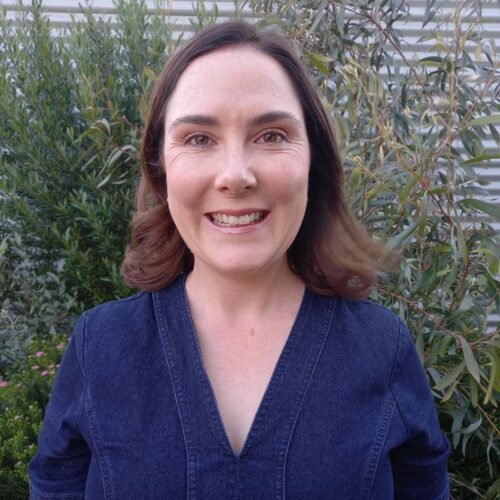
Dr Amy Powles

Heidi Thomson

Sharon Perrella

Steph Emmons
GP | Lactation Consultant
Dr Amy Powles
Dr Amy Powles is a General Practitioner with a special interest in lactation medicine, and part of the amazing lactation team at Western Obstetrics. Amy completed her medical degree at the University of Western Australia in 2009. After graduating she worked at various hospitals in WA, including 18 months working in Paediatrics at both Joondalup Hospital and Princess Margaret Hospital. At this time Amy discovered a love of working in child health and went on to complete her Diploma of Child Health. Subsequently Amy obtained her Fellowship of the Royal Australian College of General Practitioners while working in the northern suburbs of Perth. Amy has a special interest in infant and child health and enjoys providing holistic health care for children and families. Amy is passionate about supporting breastfeeding within the community and in helping mothers and babies with breastfeeding difficulties. Amy also holds an International Board Certified Lactation Consultant (IBCLC) qualification. Outside of work Amy enjoys spending time with her family and being a mum to two young daughters. When she gets the rare moment to herself she loves to exercise or read. Lactation Consultant
Heidi Thomson
Heidi Thomson is a registered nurse and Lactation Consultant. Over her nursing career, Heidi has developed a passion for supporting patients and families in what can be their most challenging times. With this in mind, she has aimed to create a career that builds upon what she has learnt working with cancer patients and their families, and now working closely with parents and their newborns. She feels that her skill set, specialist knowledge and compassion enables her to provide this care at a high standard.
Heidi is an International Board Certified Lactation Consultant and has also completed her Post Graduate Certificate in Child and Family Health. She endeavours to combine the skills and knowledge she has learnt from her acute nursing practice with the specialist skills and knowledge she has received through her postgraduate and lactation studies.
What led you to a career as a Nurse and Lactation Consultant?
Since my early teens I knew I wanted to be a nurse. Whenever I found myself in a situation where someone was sick or injured, I wasn’t happy until I knew what to do. Working in a tertiary neonatal unit has enabled me to pursue my passion for helping families navigate the newborn journey. This has then led me to become a Lactation Consultant as I knew I wanted to help mothers establish beautiful breastfeeding relationships with their babies.
What is the most rewarding thing about being a Nurse and Lactation Consultant?
Being there for women in the best and worst moments is extremely rewarding and I feel honoured that families allow me to be a part of that. Nothing makes me happier than seeing women and families overcome obstacles to have a successful and enjoyable breastfeeding journey. When I am working as a nurse in the NICU, the moments where I am able to facilitate a first cuddle or share in the joy of the babies medical miracles, are extremely rewarding and humbling.
What attracted you to be part of Western Obstetrics?
What I love most about Western Obstetrics is their dedication to providing thorough and holistic care to mothers and their families. Their continuity of care model is so effective in ensuring women feel well supported and empowered. I knew I wanted to be a part of such a caring group of people.
Lactation Consultant
Sharon Perrella
Sharon Perrella is registered nurse and midwife with postgraduate qualifications in neonatal intensive care nursing and child, adolescent and family health nursing, a MSc, and a PhD completed with the Geddes Hartmann Human Lactation Research team at UWA. Sharon has also completed Neurodevelopmental Care (NDC) training and is an accredited NDC practitioner.
Sharon has previously completed the Australian Breastfeeding Association (ABA) voluntary breastfeeding counsellor training, and served as a volunteer counsellor and group leader for several years.
Sharon has clinical experience in paediatric, midwifery and child health nursing, with over 15 years in neonatal intensive care nursing at KEMH. I have 10 years of experience as an IBCLC in private practice, and 3 years working within a mutlidisciplinary team as an IBCLC at One for Women. Her community experience related to her role as lactation consultant includes that of a voluntary breastfeeding counsellor, providing individual counselling, group information and education sessions, and outreach activities within the community.
Sharon has completed 7 years as a post doctoral researcher at UWA, and regularly lectures and presents to post grad nursing and health students as well as midwives and other health care providers.
Sharon is married with 3 young adult children and a very energetic dog, and outside of work loves watching her kids play sport, go for bush walks, and cook!
Endorsed Midwife
Steph Emmons
Stephanie Emmons finished her nursing degree in 2013 prior to working at Royal Perth Hospital for 3 years. During this time she also studied midwifery through ECU, completing her training at King Edward Memorial Hospital. Since 2017, Stephanie has been working at St John of God Hospital in Midland in all areas of maternity; labour and birth, antenatal, postnatal care and the neonatal nursery. Over the past few years she has also volunteered as a nurse with Canteen, the children’s cancer support foundation, and did a small stint in Africa in 2019 volunteering as a midwife educator. After having her own child in 2020, Stephanie’s passion grew for educating and supporting women through this amazing but challenging transition in their life.
What led you to a career in midwifery?
I’ve always wanted to be in a career that helps people. So I started studying nursing and as I learnt more about the different fields in nursing and what being a midwife was about, I knew that was the career for me. It is such a privilege to be there for women in such a significant and amazing part of their life. I couldn’t imagine doing any other job.
What is your birth philosophy?
I believe every woman has a right to choices and knowledge. Part of our role as a midwife is to educate women and families about the choices available to them, and to help them achieve the birth they always have hoped for.
What is the most rewarding part of being a midwife?
It’s so rewarding to be able to be that support for new mums and dads and to have that family put their complete trust in you in caring for their most special bundle of joy, just makes being a midwife the best job in the world.
What attracted you to be part of Western Obstetrics?
I love how Western Obstetrics offers a continuity model of care. To be able to be there for the woman during her pregnancy, then to see them with their beautiful baby after the birth is very special.